


Can Crooked Teeth Affect How You Chew or Speak?
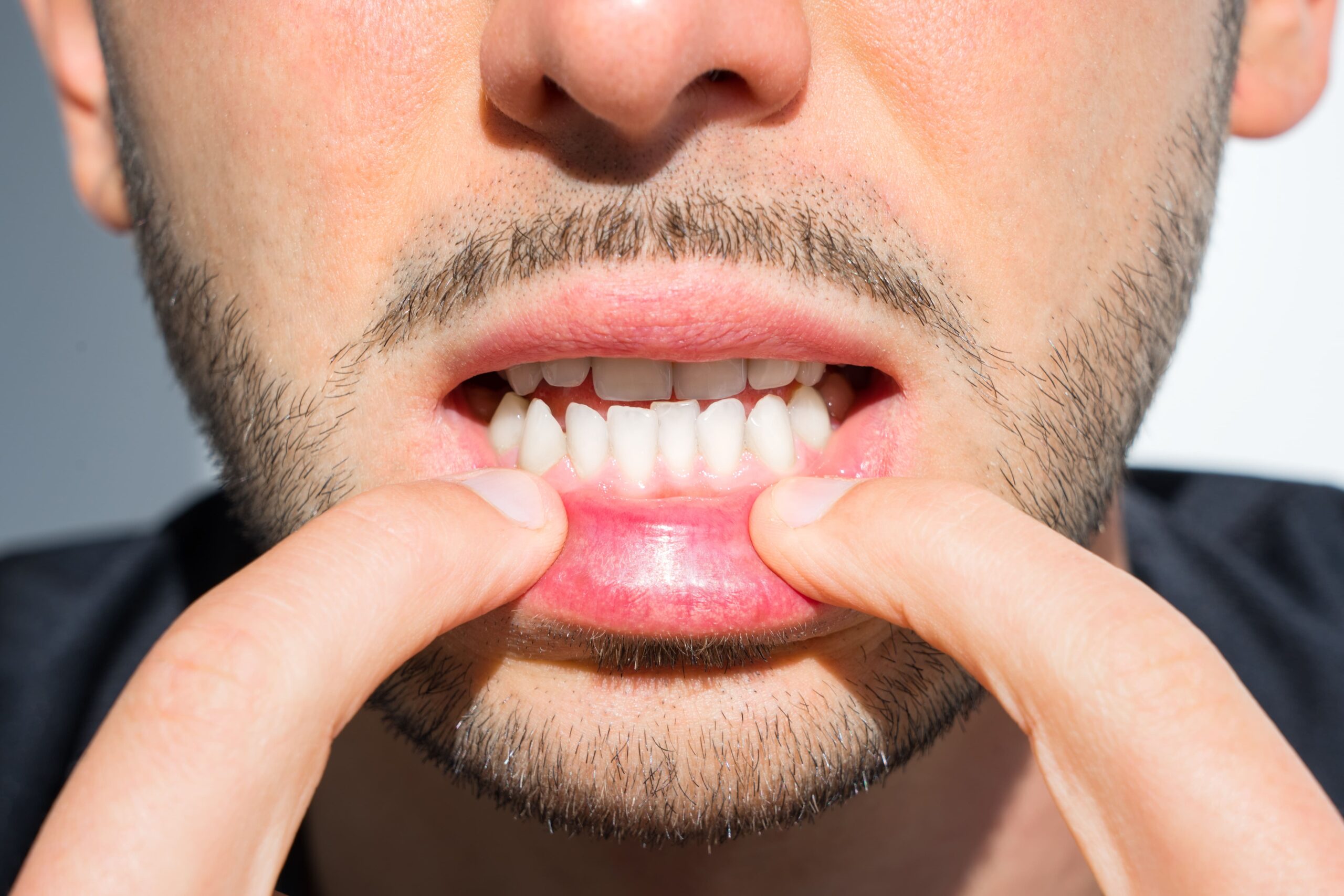
Crooked teeth are often thought of as a cosmetic concern, but alignment issues can affect much more than how your smile looks. The position of your teeth and how your upper and lower jaws come together play a major role in how you chew food and how clearly you speak. When teeth are crowded, spaced, or misaligned, your mouth may not function as efficiently as it should.
For many people, issues like jaw fatigue while eating, uneven chewing, or subtle speech difficulties are connected to alignment problems that orthodontic treatment—such as braces or Invisalign—can correct. Understanding this connection can help you recognize when treatment may be about function, not just appearance.
The Role Teeth Play in Chewing
Chewing is a complex process that depends on proper alignment between the upper and lower teeth. When teeth fit together correctly, pressure is evenly distributed and food is broken down efficiently. When teeth are crooked or the bite is off, the mouth has to compensate.
Misaligned teeth can cause you to favor one side of your mouth while chewing, which puts extra strain on certain muscles and teeth. Over time, this imbalance can lead to jaw fatigue, discomfort, and uneven tooth wear. Some people also find themselves avoiding certain foods because chewing feels uncomfortable or inefficient.
Orthodontic treatment with braces or Invisalign helps correct these issues by moving teeth into positions where they can work together properly. As alignment improves, chewing often becomes more balanced and comfortable.
Bite Alignment Matters More Than You Think
Even if teeth don’t look severely crooked, bite issues can still exist. Conditions such as overbites, underbites, crossbites, and open bites affect how teeth meet when you close your mouth. These problems can interfere with chewing and place unnecessary stress on the jaw joints.
When the bite is misaligned, certain teeth may absorb more pressure than others, increasing the risk of wear or damage. In some cases, this can also contribute to jaw discomfort or popping sensations. Braces and Invisalign are designed not only to straighten teeth but also to align the bite so the jaws function together more naturally.
How Crooked Teeth Can Affect Speech
Speech relies on precise tongue placement and controlled airflow. Teeth help guide the tongue when forming sounds, especially consonants. When teeth are misaligned, crowded, or spaced apart, they can interfere with this process.
Some people with alignment issues notice difficulty pronouncing sounds like “s,” “th,” or “f.” Others may experience slight lisping or feel that certain words take more effort to say clearly. These issues are often subtle and may go unnoticed until orthodontic treatment begins and improvements occur.
While braces or Invisalign are not speech therapy, correcting tooth positioning can create a more stable foundation for clearer speech by allowing the tongue to move more naturally.
Why These Issues Are Easy to Ignore
Many people adapt to alignment problems without realizing it. Uneven chewing becomes normal. Jaw fatigue feels routine. Speech quirks are brushed off as personal habits. Because these issues often develop gradually, they don’t always feel like problems that need treatment.
There’s also a common misconception that orthodontics is mainly cosmetic. While improving the appearance of your smile is a benefit, braces and Invisalign are primarily about function and long-term oral health. Addressing alignment issues early—or even later in life—can prevent them from becoming more complex over time.
How Braces Improve Chewing and Speech Function
Braces use brackets and wires to apply controlled pressure to the teeth, gradually moving them into healthier positions. This allows orthodontists to correct both visible alignment issues and deeper bite problems that affect function.
By improving how the teeth come together, braces help distribute chewing forces evenly across the mouth. This reduces strain on the jaw and muscles, making chewing more comfortable and efficient. As teeth move into better alignment, speech may also feel easier and more natural for some patients.
Braces are especially effective for moderate to complex alignment issues, including significant crowding, spacing, and bite discrepancies.
How Invisalign Addresses Alignment Issues
Invisalign uses a series of custom-made clear aligners to gently move teeth over time. Each aligner is designed to make small adjustments, gradually improving alignment and bite function.
For patients with mild to moderate alignment concerns, Invisalign can be an effective and discreet option. As teeth shift into better positions, chewing balance often improves, and bite-related discomfort may decrease. Invisalign also allows patients to remove aligners while eating, making daily routines easier.
Both braces and Invisalign are carefully planned to address not just how teeth look, but how they work together.
Treatment for Teens and Adults Alike
Crooked teeth and bite issues can affect patients at any age. In teens, orthodontic treatment can guide teeth and jaw development, preventing more serious issues later. In adults, treatment can correct long-standing alignment problems or address teeth that have shifted over time.
It’s never too late to improve how your teeth function. Many adults seek braces or Invisalign specifically because of chewing discomfort, jaw tension, or functional concerns—not just appearance.
Why a Professional Orthodontic Evaluation Matters
Only an orthodontist can determine whether crooked teeth are affecting how you chew or speak. A comprehensive evaluation looks at tooth alignment, bite function, jaw movement, and overall oral health.
At Ryan Hinckley Orthodontics, patients in High Point and Greensboro, NC receive personalized treatment recommendations based on their specific needs. Whether braces or Invisalign is the best option, the goal is always to improve both comfort and function.
Improve How Your Smile Works with Ryan Hinckley Orthodontics
If chewing feels uneven, your jaw gets tired easily, or speech feels more difficult than it should, your teeth alignment may be part of the issue. Orthodontic treatment with braces or Invisalign can do more than straighten your smile—it can improve how your mouth functions every day.
Contact Ryan Hinckley Orthodontics in High Point or Greensboro, NC today to schedule a consultation and find out how braces or Invisalign could help you chew more comfortably, speak more clearly, and feel more confident in your smile.